
How Bangladeshi Traders Are Using MetaTrader 4 for Market Analysis
Charting software is not generally a topic of much excitement, but MetaTrader 4 has become a familiar platform among some Bangladeshi traders who use it not only for trading but also for studying price movements and developing analytical skills. For people who are unable or not permitted to access certain international trading services, the platform’s demo functionality can provide a way to explore technical analysis without immediately committing real capital.
Much of this use is explained by demo accounts. Someone who does not have access to a live international trading account can use a demo environment to practice reading candlestick patterns, experimenting with indicators and observing price movements without putting money at risk. This can make the platform useful as a training environment for people who want to become more familiar with charting and order-management concepts before considering whether actual market participation is appropriate or legally available to them.
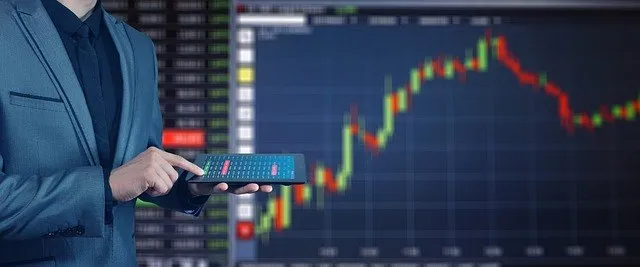
Image Source: Pixabay
The same functionality can also be useful in educational settings. Simulated trading competitions can be used as a practical example in university finance clubs and student groups to demonstrate how concepts covered in economics, finance or investment courses can be applied to a changing market data set. While a simulated environment cannot replicate all the aspects of real trading, such as the psychological pressure of putting in real money, it will give students the chance to get used to reading charts and understanding how the market is moving.
MetaTrader 4 can also be a convenient visual reference for technical-analysis content that targets the Bangladesh audience. These can be shown directly on a charting platform of your choice, with tutorials on support and resistance, moving averages, trend lines or other technical concepts. This allows viewers to connect theoretical explanations with the practical process of examining price data rather than learning the concepts entirely from static examples.
However, access to the software itself should not be confused with legal access to live trading. Some Bangladeshi users may obtain live accounts through overseas brokerage providers, but the fact that a platform can connect to an international broker does not establish that the account or transactions comply with Bangladeshi laws and foreign-exchange requirements. Anyone considering a live account needs to determine whether the relevant activity is permitted and understand which authority regulates the specific broker and service being offered.
Custom indicators and scripts shared through Bangladeshi trading communities can add another layer to this educational use. Traders may exchange tools designed to highlight particular price patterns, moving-average relationships or other technical conditions. Such scripts can make chart analysis more interactive, but their presence in a trading community does not establish that they have predictive value. A visually convincing indicator can still produce misleading signals, particularly when traders test it only against a limited selection of historical market conditions.
This has created a distinction between using trading software as an educational tool and treating its signals as evidence of a reliable trading strategy. Learning how to configure charts, apply indicators and study historical price movements can help someone develop technical-analysis skills, but it does not guarantee profitable results in a live market.
For Bangladeshi users, therefore, the value of MetaTrader 4 may extend beyond immediate access to live trading. The charting tools and demo will offer a useful environment in which to study markets, test out analysis concepts and get acquainted with the language of the trader. Whether an individual eventually moves on from simulated analysis to live trading is another issue, and one that will be determined by financial situation, risk tolerance and, crucially, the regulatory and legal environment of the area and the broker.

Comments